630-409-8184
How the Collaborative Divorce Process Works in Illinois
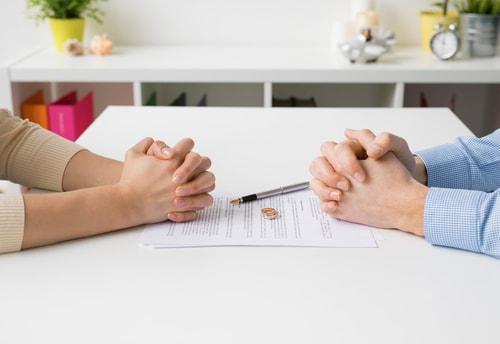 It has often been said and sung that breaking up is hard to do. But if breaking up is hard to do, getting divorced can feel impossible. Besides ending your personal relationship, you have to divide your property, move out, and figure out how to arrange custody and visitation.
Not all divorces have to turn into battles, though. Collaborative divorce is a form of alternative dispute resolution designed to keep the peace between separating spouses. The goal is to reach a settlement that works for both parties without going to court and protecting family harmony as much as possible.
Are you considering a divorce in 2026? You may want to look into collaborative divorce and whether it will help you achieve the tone of divorce you hope for. Our Naperville collaborative divorce attorneys have 25 years of experience helping couples navigate this process.
What Exactly Is Collaborative Divorce?
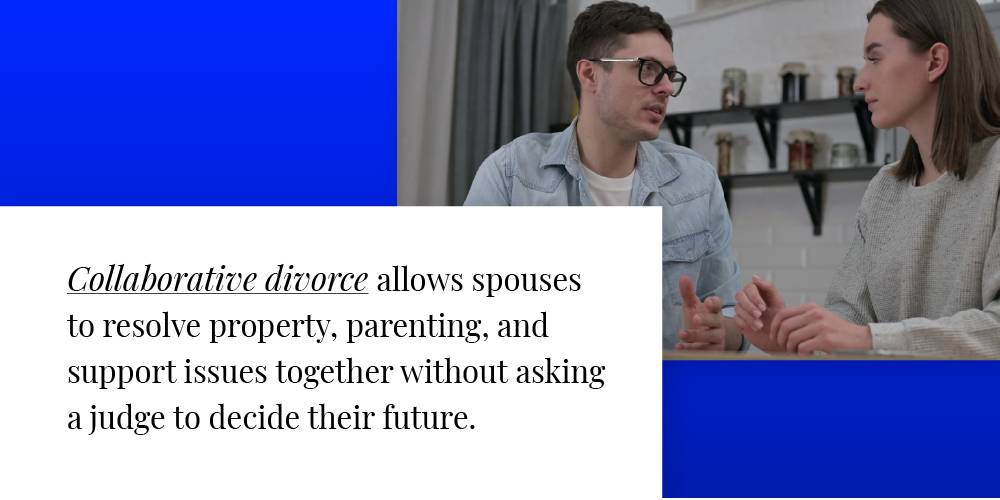
The idea behind collaborative divorce is that divorcing spouses work together to reach an agreement they can both accept. Each spouse has their own lawyer, just like in a traditional divorce. However, instead of fighting issues out in court, the collaborative process takes place in private meetings. Both spouses and their lawyers sit down together and negotiate solutions rather than asking a judge to decide for them.
Under the Illinois Marriage and Dissolution of Marriage Act at 750 ILCS 5/502, couples can use collaborative law to resolve issues in divorce, including:
-
Property division
-
Spousal support (also called alimony or spousal maintenance)
-
Child custody (called "allocation of parental responsibilities")
-
Visitation (called "parenting time")
The process begins when both spouses sign a participation agreement stating that they will not go to court. They also agree to be honest with one another, speak openly, and take a problem-solving approach to their divorce.
If the collaborative process breaks down and the couple cannot reach an agreement, both attorneys must withdraw from the case. The spouses then need to hire new lawyers to represent them in court. This rule gives everyone a strong incentive to work toward a resolution.
What Kind of Professionals Are Involved in a Collaborative Divorce?
In addition to their separate attorneys, couples using the collaborative model often work with a team of trained professionals. These specialists help guide the couple through different issues that come up during divorce.
Financial Planner
A financial planner or divorce financial analyst can help couples understand their assets, debts, and future financial needs. This professional can create projections showing how different settlement options would affect each spouse over time.
Child Developmental Specialist or Child Psychologist
A child specialist or child psychologist focuses on the needs of the children. This professional can help parents understand how the divorce is affecting their kids and recommend parenting arrangements that serve the children's best interests.
Family Therapist or Divorce Coach
A family therapist or divorce coach helps each spouse manage the emotional aspects of divorce. This professional teaches communication skills and helps keep negotiations productive.
Parenting Coordinator
A parenting coordinator can help couples develop detailed parenting plans. This professional works with the parents to create schedules and decision-making frameworks that minimize future conflict.
Real Estate Broker
Depending on the situation, couples may also work with a real estate broker to value and sell the family home, a business valuator to assess a family business, or other specialists as needed.
What Are the Benefits of Collaborative Divorce for Parents and Children?
Collaborative divorce offers significant benefits for families with children. Because the process emphasizes cooperation rather than conflict, parents learn communication skills they can use long after the divorce is final.
Children benefit when their parents can work together respectfully. The Child Mind Institute advises parents not to fight in front of their children and never to make them feel like they have to choose between parents. When parents fight in court, children often feel caught in the middle. The collaborative process reduces this conflict. Children do better when they see their parents treating each other with respect, even during a difficult time.
The collaborative process also allows parents to create customized parenting plans that fit their family's unique needs. In court, a judge who does not know your family makes decisions based on limited information. In collaborative divorce, you and your spouse design arrangements that work for your schedules, your children's activities, and your family's values.
How Does Collaborative Divorce Compare to Mediation?
People sometimes confuse collaborative divorce with mediation. Both are forms of alternative dispute resolution, but they work differently. In mediation, a neutral third party helps the couple negotiate. The mediator does not represent either spouse. Each spouse may or may not have their own attorney present during mediation sessions.
In collaborative divorce, each spouse has their own attorney who participates in every meeting. Your lawyers are on your side while still working toward a cooperative solution. Many people feel more comfortable knowing they have their own legal counsel throughout the process.
Both options can work well when they suit a couple’s unique dynamic. Your attorney can help you decide which approach fits your situation.
Call a Kendall County Collaborative Divorce Attorney Today
Collaborative divorce makes the divorce process easier and increases the likelihood of successful outcomes after the divorce is final. Our Naperville collaborative divorce lawyers at The Law Office of Matthew M. Williams, P.C. have 25 years of experience helping families navigate the collaborative process. To set up a consultation, call 630-409-8184 today.






Ready to Get Started?
To schedule a free consultation with Aurora divorce attorney, Matthew M. Williams, call 630-409-8184 or fill out the form below.



Aurora
1444 North Farnsworth Ave., #307
Aurora, IL 60505
P 630-409-8184
MAP + DIRECTIONS
BY APPOINTMENT ONLY
Yorkville
215 Hillcrest Ave., Suite A5
Yorkville, IL 60560
P 630-409-8184
MAP + DIRECTIONS